Behind the Evolving Fan Experience at T-Mobile Park
The Seattle Mariners recently upgraded one of the centerpiece displays at T-Mobile Park. Hear from the team behind the project and learn how the new technology is helping create unforgettable moments for fans.
Matt Anderson on 7/10/2026
Categories: Pro Sports and Colleges

There are some ballparks where you can feel the history the moment you walk through the gates. T-Mobile Park in Seattle is one of those places.
Recently, Justin Ochsner and I sat down with Jeff Higgins, vice president of technology solutions for the Seattle Mariners, and Ben Martens, who helps lead the team's creative, content services and live production efforts. Our conversation centered around the fan experience at T-Mobile Park, the technology that powers it and the thought process behind one of Major League Baseball's newest and most impressive video displays.
What stood out most wasn't simply the scale of the project. It was the collaboration, planning and long-term vision that made it possible.
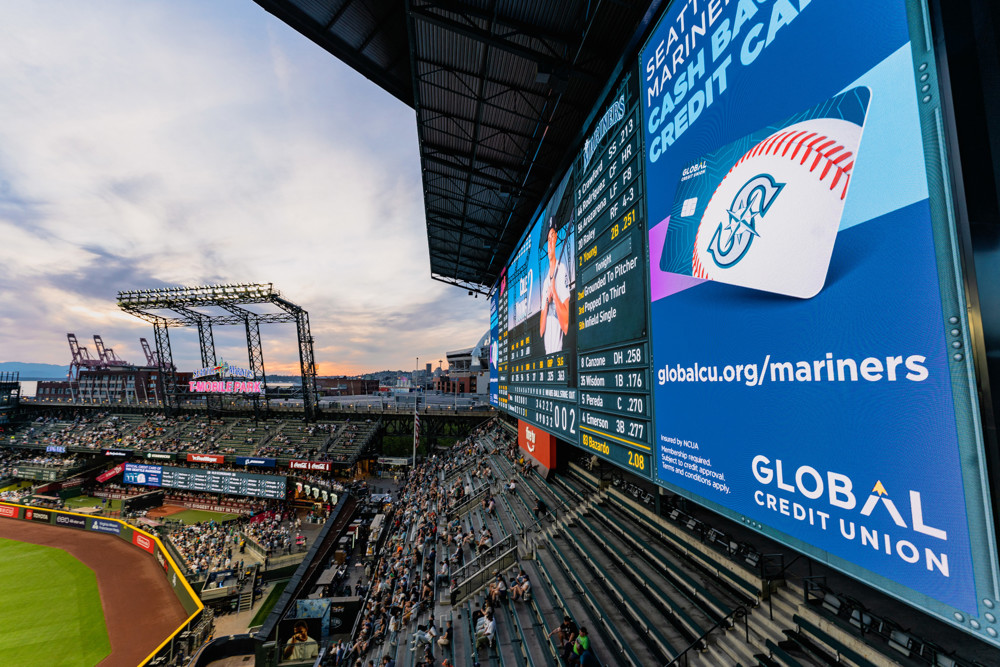
Daktronics has been part of the Mariners’ story since the ballpark opened in 1999. Back then, fans experienced games through displays and scoreboards that helped define a generation of live sports entertainment. More than two decades later, the ballpark has entered a new era with a massive 56.5-foot-high by 201-foot-wide main video display that delivers brighter images, sharper details and more creative possibilities than ever before.
For Higgins, who joined the Mariners five years ago, the journey started long before the new display was installed.
His team has overseen significant infrastructure upgrades throughout the venue, including network improvements, new control systems and replacement of aging display technology across the ballpark.
"Our older boards were failing pretty regularly, and we were running out of replacement parts," Higgins said.
The Mariners took a phased approach, upgrading ribbon displays, out-of-town scoreboards and other systems before ultimately replacing the main video display.
The result is impossible to miss.
"The difference, pretty stark," Higgins said. "Even in direct sun, it completely pops. You can see the detail. The show just looks amazing."
While fans immediately notice the display itself, Martens sees it as part of something much bigger.
For him and his team, the display isn't just a screen. It's a storytelling platform.
"I think our team loves these assets because it brings the experience here at the ballpark alive for our fans," Martens said.
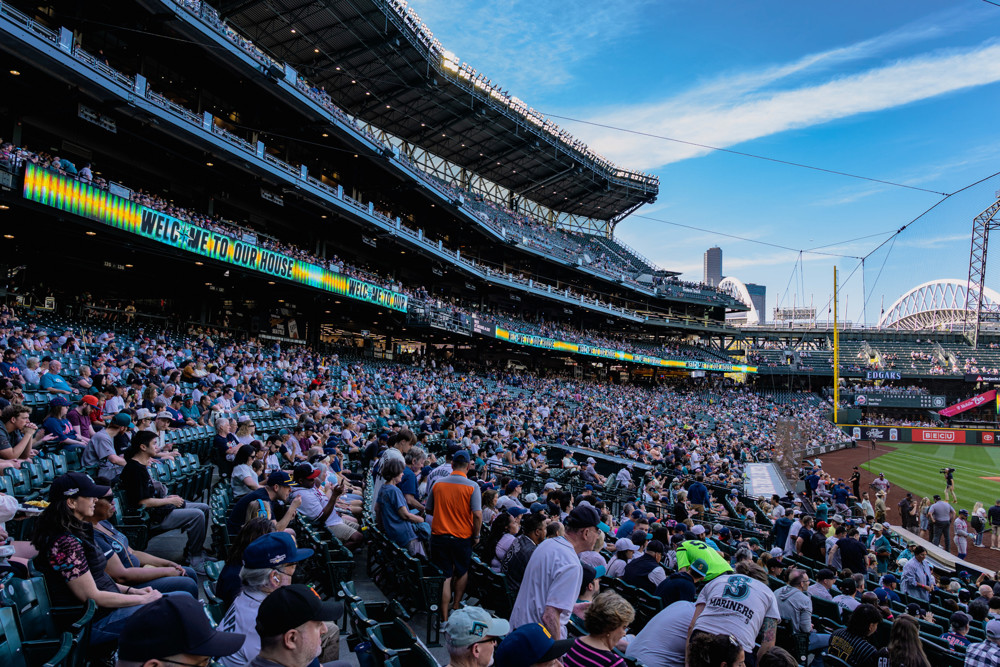
The new canvas allows the Mariners to create more dynamic presentations, display additional game information and integrate content in new ways. At the same time, the production team is constantly looking for ways to improve.
"We're always going to look through the lens of how we can improve our show," Martens said. "Not just the industry, but how we can top ourselves."
That mindset has helped the Mariners build one of the most engaging game-day experiences in baseball.
As we talked, it became clear that modern fan experiences aren't built by one department alone. Technology teams, creative teams, operations staff and partners all play important roles in bringing a vision to life.
Martens emphasized that today's display projects involve far more than video production.
"It has evolved so much," he said. "The IT department needs to be involved. You've got your building and maintenance teams involved. It's never just one person's process."
Higgins shared a similar perspective from the technology side.
"It really takes all three of you and then a good partner," he said. "You wouldn't want this to be just a technology project. You wouldn't want it to be just a creative project. It takes everybody involved."
That collaborative approach extends beyond installation and into the ongoing operation of the display. Reliability, serviceability and long-term support all become critical considerations when investing in technology expected to serve fans for years to come.
For Higgins, those conversations are just as important as display specifications.
"Support, warranty, relationship, trust," he said. "Those are some of the most important things I look at."
One of my favorite parts of the conversation was hearing how both Higgins and Martens now see venues differently than they did before working so closely with display technology. Whether they're attending sporting events, concerts or even walking through airports, they're constantly evaluating screens, content and experiences around them.
It's a reminder that innovation often comes from paying attention to what others are doing and finding ways to make it your own.
That curiosity is also the advice Martens offers to anyone considering new technology.
"Don't be afraid to ask questions," he said.
Technology continues to evolve rapidly, and staying curious is often the best way to build better experiences.
At the end of our conversation, I came away with one big takeaway. The new display at T-Mobile Park may be the most visible part of the project, but the real story is everything happening behind the scenes. From infrastructure upgrades and creative planning to operational support and long-term strategy, it takes an entire team working together to create memorable moments for fans.
And based on the feedback the Mariners have received so far, those efforts are paying off.
As Higgins put it, "Day one, that thing was just popping."
If you'd like to hear more from Jeff and Ben about the evolution of the fan experience at T-Mobile Park, be sure to watch this full episode of The Daktronics Experience Podcast on YouTube or listen wherever you get your podcasts.