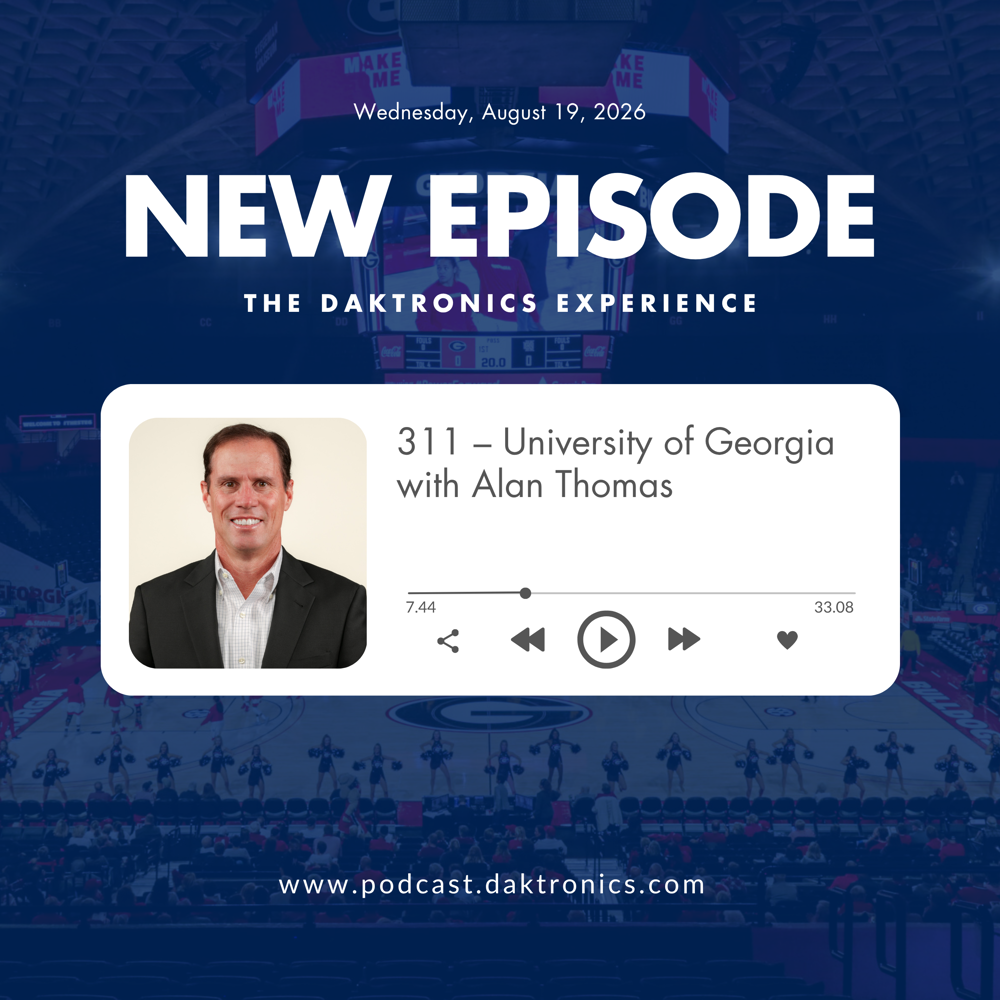
What the University of Georgia Can Teach Us About Creating Memorable Fan Experiences
Alan Thomas of the University of Georgia shares insights on fan engagement, game-day traditions, technology and creating memorable live-event experiences.
Matt Anderson on 8/21/2026
Categories: Pro Sports and Colleges

When people talk about fan experiences, it's easy to focus on the technology.
Video displays. Lighting systems. Control systems. New features and new capabilities.
Those elements are important, but after our recent conversation with Alan Thomas, Senior Associate Athletic Director of Marketing and Revenue Strategy at the University of Georgia, I came away thinking about something else entirely: understanding what matters most to your fans.
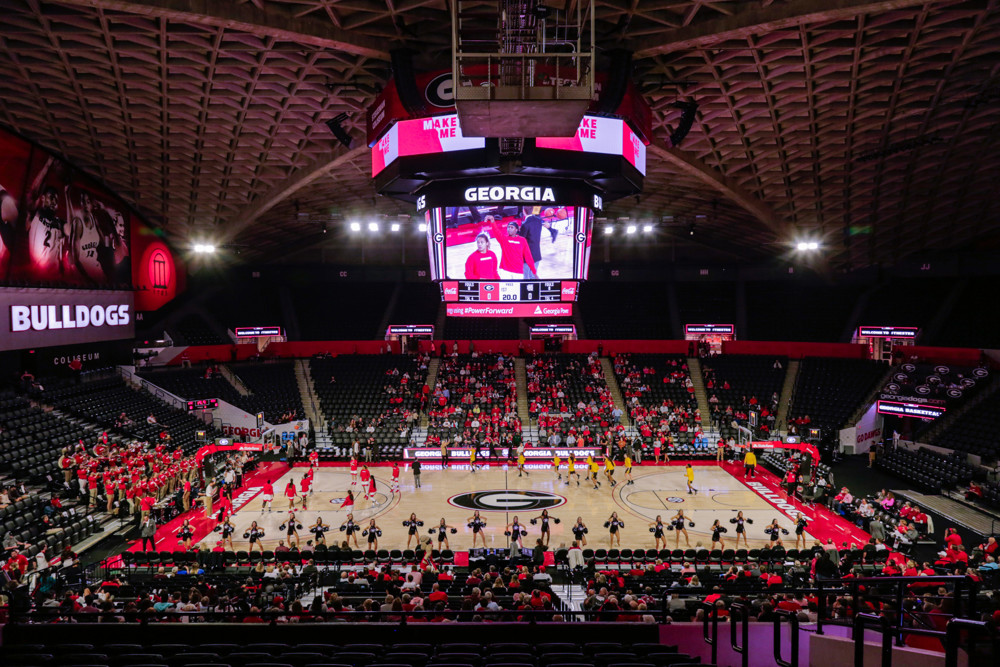
During our discussion on The Daktronics Experience podcast, Alan talked about what makes Saturdays in Athens special. As someone who has spent more than three decades in college athletics and more than 20 years at Georgia, he's had a front-row seat to how fan expectations have evolved over time.
One point that stood out to me was his focus on creating experiences that fans want to return to.
"We want people to enjoy that live and in-person experience. We want to give them an experience that they want to come back to every single time."
That's the challenge facing every venue today, whether it's a college stadium, professional arena, community ballpark or high school gymnasium. Fans have more entertainment options than ever before. They can watch games from home, follow highlights on social media or consume content from virtually anywhere.
For live events to remain special, organizations need to create something people can't get anywhere else.
For Georgia Athletics, that includes some of the traditions fans have come to know and love. Alan described game days as cultural events where generations of fans reconnect with friends, revisit traditions and celebrate their connection to the university.
At the same time, he emphasized that tradition and innovation don't have to compete with one another.
"We want to make sure that we're not losing the traditions, but we're also not being stuck in the position of this is the way that we've always done it."
That balance is something I hear frequently when talking with customers. They want to preserve the moments that make their venue unique while also finding new ways to engage fans and keep experiences fresh.
Technology plays an important role in that process.
Alan discussed how Georgia uses Daktronics displays, control systems and Camino to support productions across multiple venues and sports. One comment that particularly caught my attention was his emphasis on consistency.
"Whether that be operators, content you're creating or how your staff works these multiple events, it is so much easier to do it when you're all in with a partner like Daktronics."
For organizations managing several facilities, consistency can be just as valuable as adding new technology. When operators, content creators and production teams can work within a familiar ecosystem, it creates efficiencies and allows teams to focus more on the experience they're delivering.
Alan also discussed how Georgia looks to maximize every opportunity available to them.
Although some institutions may have more display space, he explained that constraints often lead to creativity.
"Sometimes when you're on the low end, you've got to be more creative in how you produce your shows, how you use your boards and how you lay them out."
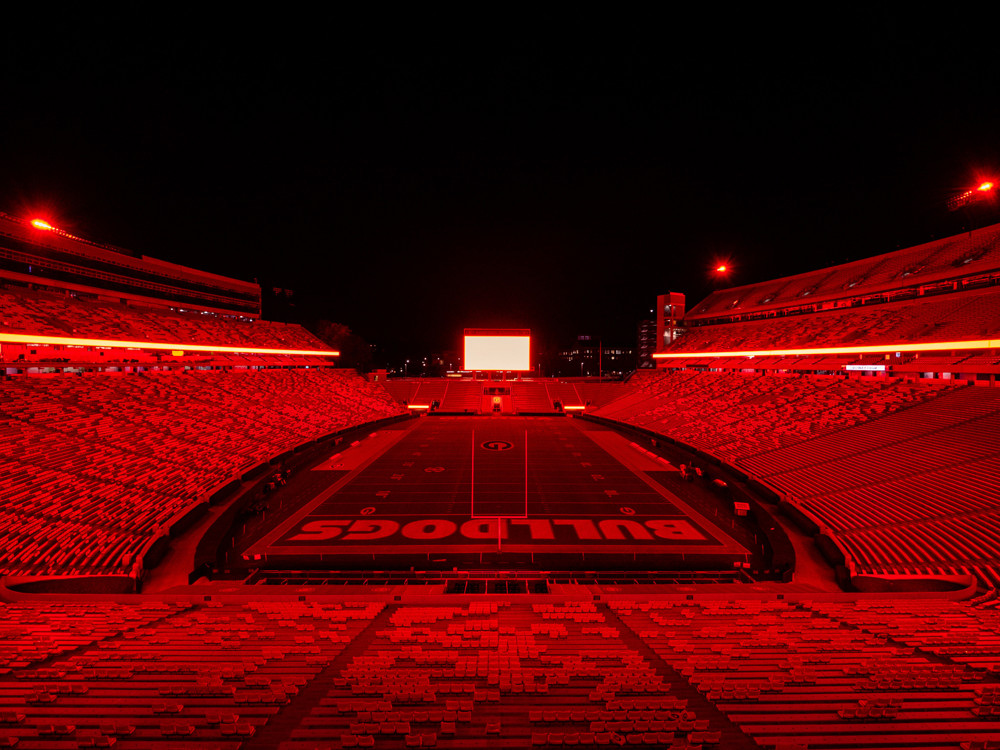
That's a mindset that applies well beyond athletics. The best fan experiences aren't always created by having the biggest budget or the most technology. They're built by understanding your audience and thoughtfully using the tools available to create meaningful moments.
Perhaps my favorite takeaway from the conversation was how Alan defines the fan experience itself.
It's not limited to the time someone spends in a seat.
"It's the driveway to the stadium and from the stadium back to your driveway. You're touching it all the way."
That perspective reinforces something we've heard from customers across the industry. Great experiences don't begin at kickoff and end at the final whistle. They encompass every touchpoint along the way, from communication before the event to traffic management, concessions, entertainment and the memories fans carry home with them afterward.
At the end of the day, all of those efforts are focused on one goal.
"When somebody walks away, win or lose, they say, 'I had an exceptional time. I want to go back.'"
That's a simple idea, but it's one that every venue can learn from.
If you'd like to hear more insights from Alan on fan engagement, game-day production and the future of college athletics, be sure to listen to the full episode of The Daktronics Experience podcast.
Listen to Episode 311: University of Georgia with Alan Thomas: https://podcast.daktronics.com/e/311-%e2%80%93-university-of-georgia-with-alan-thomas/